
Expert Picks For Cement Slab Resurfacing Supplies You Can Rely On
Find the most effective products recommended by industry professionals to achieve flawless concrete resurfacing outcomes.
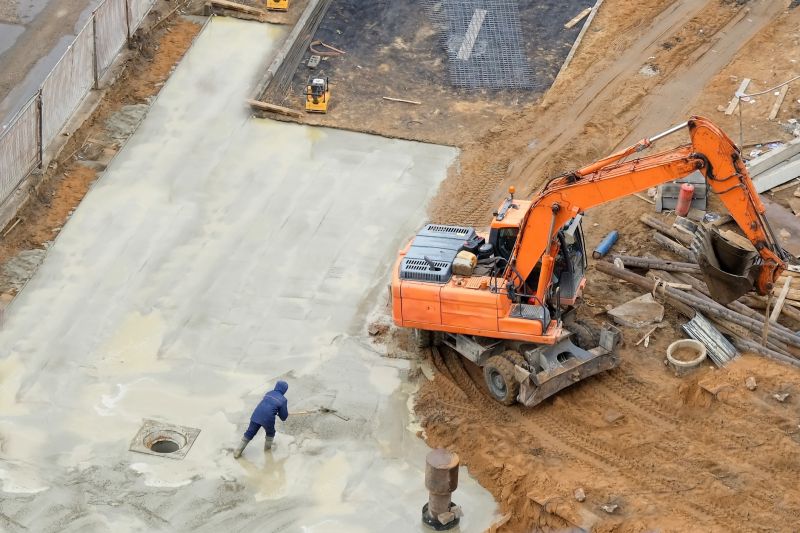 Cement slab resurfacing products are essential for revitalizing and restoring the durability and appearance of concrete surfaces. These products are designed to repair cracks, fill voids, and provide a smooth, even surface that can enhance both functionality and aesthetics. Whether working on a driveway, patio, garage floor, or industrial flooring, selecting the right resurfacing material can significantly extend the lifespan of the concrete slab.
Top Overall Option
Concrete Resurfacing Compound
A versatile and user-friendly resurfacing compound that offers smooth application and durable finish, suitable for various concrete surfaces. It provides a reliable base for both functional and decorative projects, with excellent adhesion properties and a range of finish options.
Types of Products For Cement Slab Resurfacings
Acrylic Concrete Resurfacer
A water-based product that adheres well to existing concrete, providing a smooth and durable surface suitable for overlays and decorative finishes.
Polymer-Modified Overlay
Enhanced with polymers for increased flexibility and adhesion, ideal for repairing cracks and creating a seamless surface.
Self-Leveling Cement
Designed to fill low spots and create an even surface, suitable for large areas requiring a flat finish.
Epoxy Concrete Coating
A high-performance coating that provides a glossy, durable finish with excellent chemical resistance.
Polyurethane Resurfacer
Offers high elasticity and abrasion resistance, suitable for industrial or high-traffic surfaces.
Decorative Concrete Overlay
Provides textured or stamped finishes for aesthetic enhancement, including decorative patterns and colors.
Rapid-Set Cement Mix
Formulated for quick repairs and resurfacing, reducing downtime and labor time.
Bonding Primer
Primers that improve adhesion between old concrete and new resurfacing materials.
Waterproofing Sealant
Applied over resurfaced slabs to prevent water infiltration and protect against freeze-thaw damage.
Textured Coating
Provides slip-resistant finishes with various textures for safety and aesthetic purposes.
Colored Concrete Stain
Adds color and depth to resurfaced slabs, often used for decorative purposes.
Polymer Cement Mortar
A strong, flexible mortar suitable for patching and resurfacing large cracks or damaged areas.
Fiber-Reinforced Resurfacer
Contains fibers to improve crack resistance and structural integrity of the resurfaced slab.
High-Strength Topping
A durable topping layer designed for high-traffic or load-bearing surfaces.
Popular Choices
Widely used for its ease of application and reliable adhesion, suitable for various concrete surfaces.
Popular for crack repair and creating a seamless surface with enhanced durability.
Favored for large flat areas needing a smooth, even finish quickly.
Chosen for its high durability and glossy finish, especially in industrial settings.
Popular for aesthetic upgrades, including stamped and colored finishes.
Ideal for quick repairs and resurfacing projects with tight schedules.
Essential for ensuring strong adhesion between existing concrete and new layers.
Commonly used to protect resurfaced slabs from water damage and staining.
Chosen for slip resistance and decorative textures for safety and style.
Popular for adding color and visual interest to resurfaced slabs.
Provides additional crack resistance and structural support in resurfacing.
Resurfacing products vary widely in composition, application methods, and finish options. Some formulations are tailored for quick setting and durability, suitable for high-traffic areas, while others focus on creating a textured or decorative surface. Proper preparation of the existing slab, including cleaning and repairing major cracks, is critical to ensure optimal adhesion and performance of the resurfacing material.
Many resurfacing options incorporate polymer additives or bonding agents to improve adhesion and flexibility, helping the new layer withstand temperature fluctuations and ground movement. The choice of product often depends on the specific project requirements, such as load-bearing needs, slip resistance, or aesthetic preferences. Applying these products typically involves cleaning the surface thoroughly, applying a bonding agent if necessary, and then spreading the resurfacer evenly with a trowel, squeegee, or roller.
Maintenance considerations also play a role in product selection. Some resurfacing materials are designed to be sealed for added protection against stains and water penetration, while others may require periodic resealing or reapplication to maintain their appearance and integrity. Understanding the characteristics of each product type can help ensure a successful project and long-lasting results.
Key Buying Considerations
- Assess the current condition of the concrete slab, including cracks, spalling, and surface damage.
- Determine the intended use of the surface, such as load-bearing, decorative, or slip-resistant requirements.
- Choose a product compatible with the existing concrete type and condition.
- Consider the drying and curing times to fit your project schedule.
- Evaluate the ease of application, including tools required and surface preparation steps.
- Look for products with good adhesion properties to ensure long-lasting results.
- Decide if additional features like slip resistance, color, or texture are important for your project.
- Check for compatibility with sealants or protective coatings if desired.
- Review manufacturer instructions for surface preparation, application, and curing to prevent issues.
- Consider environmental factors such as temperature and humidity during application.
- Estimate the amount of product needed based on the surface area and product coverage rates.
- Identify whether reinforcement options like fibers or mesh are necessary for your project.
- Review product specifications for flexibility and crack resistance, especially for slabs in variable climates.
- Ensure the product is suitable for the size and scope of your resurfacing project.
- Verify that the product meets any local building codes or standards relevant to your area.
This content contains affiliate links. We may earn a commission if you purchase through these links, at no additional cost to you.