Common Causes of Damage to Concrete Flatwork
To repair damage to concrete flatwork caused by cracks, settling, or surface deterioration, local contractors can assess issues and provide effective repair solutions.
Understanding the common causes of damage to concrete flatwork is essential for property owners aiming to preserve the durability and appearance of their surfaces. Factors such as freeze-thaw cycles, improper drainage, and exposure to harsh weather conditions can lead to cracks, spalling, and uneven surfaces over time. Recognizing these issues early can help prevent more extensive damage, and working with experienced local contractors ensures that repairs are handled effectively and efficiently. Whether dealing with minor cracks or more significant deterioration, knowledgeable service providers can assess the specific causes and recommend appropriate solutions to restore flatwork integrity.
Property owners in the area often explore this topic to protect their investments and avoid costly repairs down the line. Poorly maintained or improperly installed concrete flatwork is vulnerable to damage from everyday wear and environmental stressors. Engaging with local contractors who specialize in concrete repair can help address these issues before they worsen, extending the lifespan of the flatwork. By understanding the common causes of damage, property owners can make informed decisions and find qualified service providers equipped to handle repairs that keep their surfaces safe and functional.
- Concrete driveway repairs are often needed when cracks or surface deterioration occur due to frequent vehicle traffic and ground movement, with local contractors using specialized patching and sealing techniques. Sidewalk repairs become necessary when uneven or cracked surfaces pose safety hazards, and service providers typically perform leveling, crack filling, or replacement to restore stability. Patio repairs are common when exposure to weather elements causes surface spalling or cracking, and local pros address these issues through surface resurfacing or reinforcement. Garage floor repairs are required when staining, cracking, or heaving happen from moisture or temperature fluctuations, with local contractors applying sealing or slab replacement methods. Foundation-related damage to flatwork may also impact concrete surfaces, with local service providers assessing and stabilizing the area to prevent further deterioration.
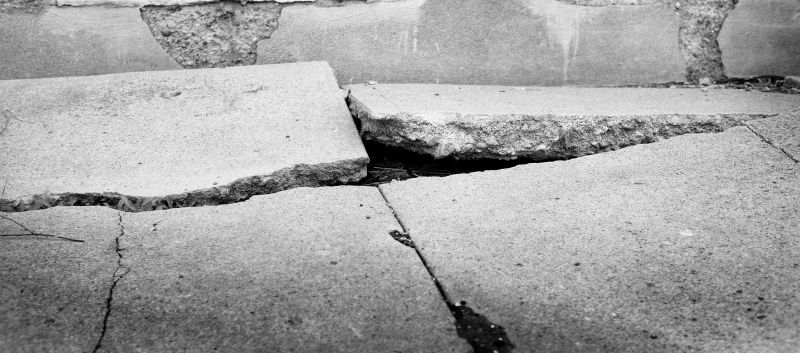
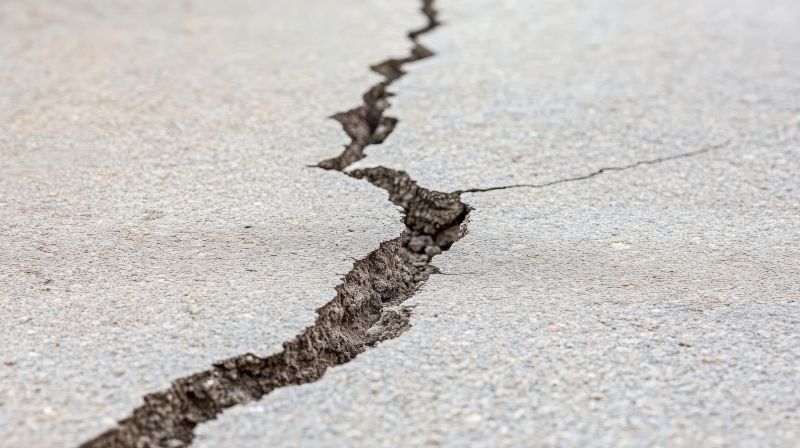
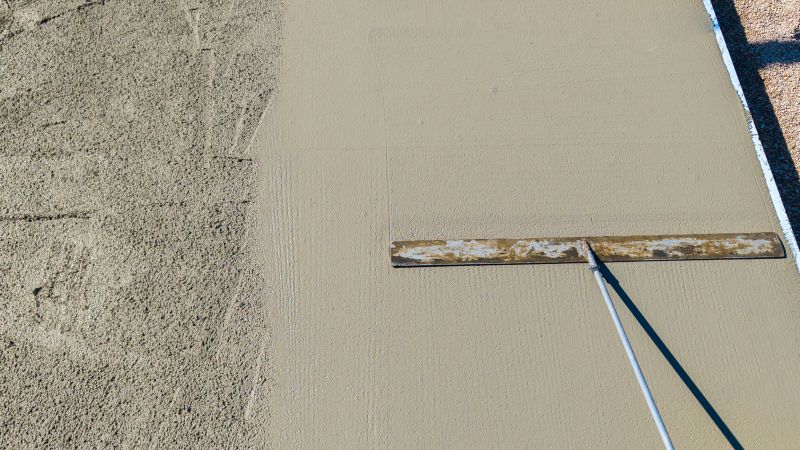
Understanding the common causes of damage to concrete flatwork is essential for homeowners who want to maintain the integrity and appearance of their outdoor surfaces. Concrete flatwork, which includes driveways, patios, walkways, and floors, is subjected to various stresses over time. Factors such as exposure to moisture, temperature fluctuations, and heavy loads can lead to cracks, spalling, and uneven surfaces. When searching for this topic, many people are looking for explanations about why their concrete has started to deteriorate and what might be causing these issues. Recognizing these causes helps homeowners plan effective repair strategies and prevent further damage, making it a key concern for property upkeep and improvement projects.
Many problems associated with damage to concrete flatwork stem from environmental conditions and improper installation or maintenance. For instance, freeze-thaw cycles are a common culprit-water seeps into small cracks or pores, freezes, expands, and causes the concrete to break apart over time. Similarly, excessive moisture exposure from poor drainage or standing water can weaken the material, leading to spalling or crumbling. Heavy equipment or vehicles frequently parked or driven on concrete surfaces can also cause stress and lead to cracking or deformation. These issues are often linked to plans for repair or replacement, prompting homeowners to seek out local service providers who can diagnose the specific causes and recommend appropriate solutions.
The types of properties that commonly experience damage to concrete flatwork include residential homes, commercial buildings, and public spaces. Residential properties with driveways, patios, or sidewalks are particularly vulnerable to cracks and uneven surfaces caused by shifting soil or weather conditions. Commercial properties, such as parking lots and loading docks, often face more intense wear and tear due to higher traffic volumes and heavier loads. Public spaces like parks or community walkways also encounter damage from frequent use and exposure to the elements. For homeowners exploring this topic, understanding what types of properties are affected can help them identify whether their concrete flatwork might need inspection or repair from local contractors experienced in handling similar projects.
Addressing damage to concrete flatwork involves identifying the root causes and choosing the right repair approach. Local concrete repair specialists are equipped to evaluate the extent of the damage, determine whether issues are due to settlement, environmental factors, or improper installation, and then recommend suitable fixes. Common repair methods include crack sealing, surface patching, or full removal and replacement of severely damaged sections. Regular inspections and timely repairs can prevent minor issues from escalating into costly problems. Homeowners who understand the common causes of damage to concrete flatwork are better prepared to work with local service providers, ensuring that repairs are effective and long-lasting, helping to restore the safety and functionality of their outdoor surfaces.
Paving projects - skills in preparing, pouring, and finishing concrete are essential for both flatwork repair and other paving tasks like walkways and driveways.
Foundation repair - understanding soil stability and concrete cracking is common to both foundation stabilization and flatwork damage restoration services.
Patio and outdoor living space construction - designing and installing concrete surfaces for patios shares planning and finishing techniques with flatwork repair projects.
Garage floor installation - expertise in handling concrete slabs, dealing with cracks, and surface leveling applies to both new installations and damage repairs.
Sidewalk and curb installation - skills in managing concrete durability and addressing surface issues are relevant to repairing damaged flatwork in public and commercial areas.
Driveway resurfacing - experience in surface preparation and crack mitigation directly relates to fixing common causes of damage to concrete flatwork.
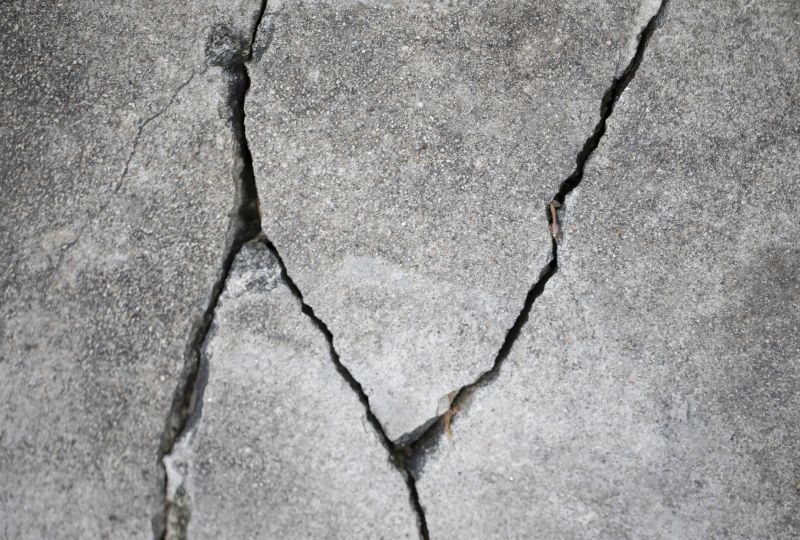
When comparing service providers for repairs related to damage to concrete flatwork, it is important to consider their experience with similar projects. Contractors who have handled repairs for common causes of damage to concrete flatwork, such as cracking, spalling, or uneven settling, are more likely to understand the underlying issues and effective repair methods. Asking for examples of past work or references can provide insight into their familiarity with these specific challenges, helping to ensure the chosen contractor has relevant hands-on experience that aligns with the scope of the repair needed.
Clear written expectations are essential when evaluating local contractors. A detailed scope of work, including the extent of damage, repair techniques, and materials to be used, helps prevent misunderstandings and sets a foundation for accountability. Service providers who can articulate their approach in writing and provide a comprehensive plan demonstrate professionalism and transparency. This clarity can also assist homeowners in comparing proposals more effectively, ensuring that all aspects of the repair are addressed and that there are no surprises during or after the project.
Good communication and reputable references are key indicators of a reliable service provider. Contractors who are responsive, willing to answer questions, and provide references from previous clients tend to foster a smoother working relationship. Speaking with past customers about their experiences can reveal how well a contractor communicates, manages expectations, and handles unforeseen issues. Choosing local pros known for clear communication and positive references can contribute to a more confident decision, increasing the likelihood that the repair work will be completed satisfactorily and with minimal complications.
Property owners often search for common causes of damage to concrete flatwork when they are planning practical projects around their homes and businesses. Local pros provide Damage to Concrete Flatwork Repair services for everyday jobs and straightforward project options.
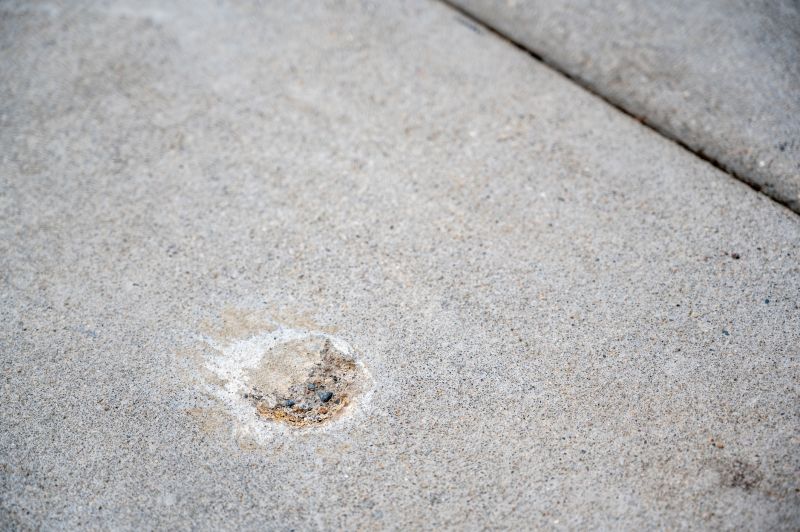
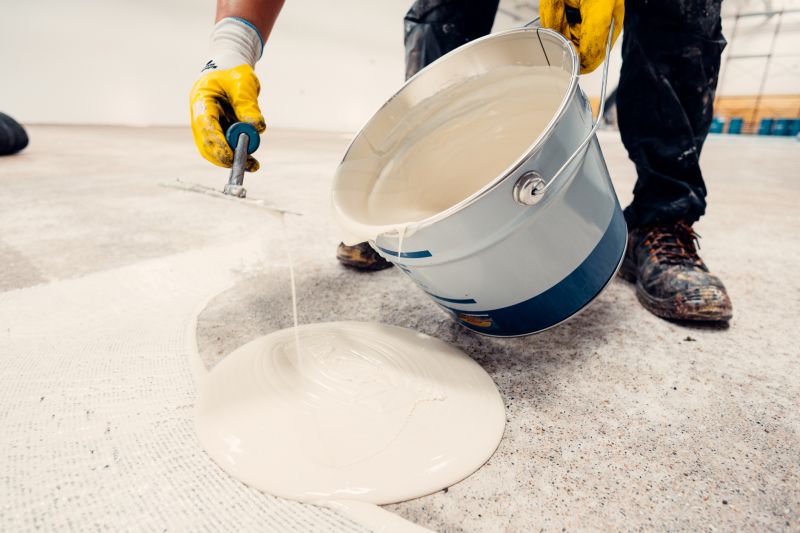
Concrete flatwork can face damage from a variety of everyday project situations that property owners often encounter. Heavy foot traffic, frequent vehicle use, or improper installation practices can all contribute to cracking, chipping, or uneven surfaces over time. Additionally, exposure to harsh weather conditions such as freeze-thaw cycles, excessive moisture, or temperature fluctuations can weaken the concrete, leading to surface deterioration. Property owners noticing these issues may seek the expertise of local contractors who specialize in concrete repair services to address and restore the integrity of their flatwork.
Understanding the common causes of damage to concrete flatwork can help property owners prevent future problems and identify when repairs are needed. Improper curing, poor drainage, or using inadequate materials during installation can accelerate wear and tear. Over time, these issues often result in cracks, surface spalling, or sinking sections that compromise safety and appearance. Local service providers experienced in concrete flatwork repair are equipped to evaluate the damage and recommend appropriate solutions to extend the lifespan of the surface and maintain its functionality.
What are common causes of damage to concrete flatwork? Common causes include freeze-thaw cycles, improper mixing, heavy loads, and exposure to moisture, which can lead to cracking or spalling. Local contractors experienced in concrete repair can assess and address these issues effectively.
How does water exposure damage concrete flatwork? Excess water or poor drainage can weaken the concrete’s structure, causing cracks and erosion over time. Service providers can help improve drainage and repair existing damage to prevent further issues.
Can heavy loads cause damage to concrete flatwork? Yes, excessive weight from vehicles or equipment can lead to cracking or sinking. Local repair specialists can reinforce or restore concrete to withstand heavy use.
What role does improper installation play in damage to concrete flatwork? Incorrect placement, inadequate curing, or lack of reinforcement can cause early deterioration. Skilled contractors can identify installation flaws and perform necessary repairs to extend the lifespan.
How do environmental factors contribute to concrete flatwork damage? Factors like temperature fluctuations, moisture, and salt exposure can accelerate deterioration. Local pros can evaluate environmental impacts and recommend appropriate repair solutions.
Heavy loads and overuse - Property owners can plan for proper weight distribution and avoid overloading to prevent stress cracks, with damage repair services from local contractors helping to restore the concrete.
Poor drainage and standing water - Ensuring proper slope and drainage around flatwork can minimize water damage, and local pros can address existing issues to protect the concrete’s integrity.
Exposure to harsh weather conditions - Applying protective coatings and scheduling repairs after severe weather can help reduce damage caused by freeze-thaw cycles or UV exposure, with local service providers offering assistance.
Improper installation or subgrade issues - Proper site preparation and quality installation are key, and damage repair experts can correct problems stemming from poor initial work or unstable foundations.
If you are thinking about common causes of damage to concrete flatwork for a property, this guide is meant to help you understand this topic, the typical project types, and how different options might fit your plans.
When you are ready, you can use the quote form on this page to share a few details about your project. From there, local pros can review the basics and follow up with options that match what you have in mind.